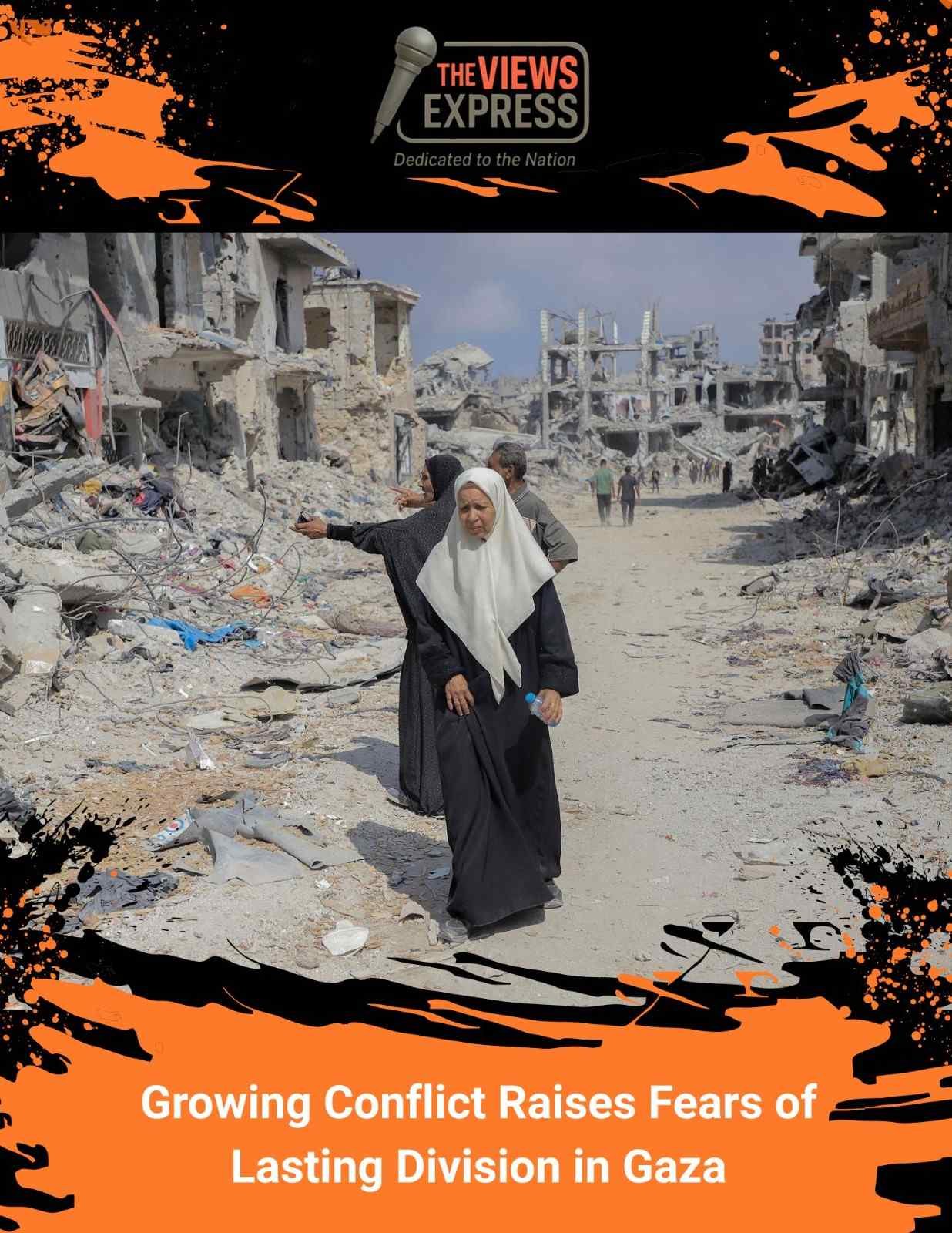
The long-simmering tensions in West Asia have boiled over into a full-scale regional war. Following a series of devastating joint US-Israeli airstrikes targeting Tehran and key nuclear infrastructure, the conflict has entered a "point of no return." On Tuesday, April 7, 2026, the Israeli military confirmed that its multi-layered air defense systems—including the Iron Dome and Arrow-3—were actively intercepting a massive "wave" of ballistic missiles launched directly from Iranian territory.
This latest escalation follows a month of high-intensity warfare that began on February 28, 2026, when a surprise US-led "Operation Roaring Lion" targeted the Iranian leadership and missile capabilities. The strikes reportedly resulted in the assassination of top Iranian officials, including the Supreme Leader, a move that decapitated the regime's traditional command structure but ignited a fierce, decentralized retaliation from the Islamic Revolutionary Guard Corps (IRGC) and its regional proxies.
The conflict reached a fever pitch this week as U.S. President Donald Trump issued a final ultimatum: Iran must reopen the Strait of Hormuz by 8:00 PM Eastern Time on Tuesday or face the systematic destruction of its civilian infrastructure, including bridges, power plants, and reservoirs. The Strait, a vital artery for 20% of the world’s oil supply, has been effectively closed by Iranian naval mines and anti-ship missiles, sending global energy prices to historic highs and threatening a worldwide economic recession.
In a defiant response, Tehran’s central military command dismissed the threats as "arrogant rhetoric," vowing to continue "crushing operations" against what they termed "Zionist and American enemies." While Qatar and Pakistan have attempted to mediate a 45-day ceasefire, the White House has signaled that the terms offered by Tehran—which include reparations and a permanent end to Western military presence in the region—are "not good enough."
The human cost of the 2026 war is mounting rapidly. Estimates from the Iranian Health Ministry suggest over 2,000 fatalities within Iran alone, while Israel has reported dozens of civilian deaths from retaliatory strikes. Beyond the borders of the primary combatants, US bases in Iraq, Qatar, and Bahrain have come under sustained drone and missile fire.
In Lebanon, the situation is equally dire. Despite the Lebanese government’s attempts to distance the nation from the fray, Hezbollah has launched significant strikes into northern Israel, prompting an Israeli ground incursion into southern Lebanon to "degrade terrorist infrastructure."
The core of the conflict remains Iran's nuclear program. While the IAEA stated as recently as early 2026 that there was no evidence of a structured weapons program, the US and Israel maintain that military action was the only way to prevent a nuclear-armed Tehran. As the Tuesday deadline looms, the world watches with bated breath. The shift from "shadow war" to open, multi-front confrontation has not only reshaped the Middle East but has pushed the international community toward a geopolitical crisis unseen since the mid-20th century.
The Views Express is a news website, we truely believe in presenting & analysing the news that really matters to the people in general.
: +91 9836903612
: theviewsexpress@gmail.com
info@theviewsexpress.in
Mrinmoy Banerjee - Editor In Chief
Moumita Tarafdar - Managing Editor
Supriyo Mukherjee - Associate Editor
Anindya Das - Associate Editor (Honorary)
Copyright © 2024 The Views Express, All Rights Reserved. Developed by PRIGROW
.jpg)